


We can unconsciously design our lives through the fear of what other people will think. This habit can shape the jobs we take, the things we don’t say, the life we postpone. This newsletter is about how to stop letting that fear influence your decisions.
ALIVENESS
A philosophy and practice for living fully in the awareness that life is finite.
All subscribers receive Aliveness Practice training, designed for a life of no regrets. Paid subs get access to live meditations and my AI guides.

When I launched this newsletter in October 2025 I spent part of the day crying.
Not from sadness. From fear. I was about to put something into the world that I cared about more than anything I had made before, and I was terrified of how I would be judged.
What would people think of me, talking openly about life and death? What would old friends and family make of it? Colleagues from my creative careers? People who had known me as one thing, now watching me become another? There was a loud voice in my head saying: “everyone is going to think you’re crazy”.
I suspect you know the feeling. Almost everyone is carrying some version of this.
The fear of judgment is one of the most powerful forces in human life, and one of the least talked about. It operates underneath the surface of ordinary decisions, shaping far more of our behaviour than we realise.
The job you took because it looked right to your parents. The thing you didn’t say at dinner because you didn’t want to seem difficult. The dream you shelved because you could already imagine the look on someone’s face if it failed.
We are social animals. If you wind back human history far enough to our caveman days, being cast out of the group meant death. Exclusion from the tribe was not a social inconvenience, it was a survival threat.
In a landmark study at UCLA, published in Science in 2003, the psychologist Naomi Eisenberger put people inside a brain scanner and had them play a game in which they were deliberately excluded by the other players. The scans showed that social rejection lit up the same regions of the brain that register physical pain. Being left out doesn't just feel bad. The brain processes it as genuine injury, as a threat to survival.
So the instinct to monitor what others think of us, to stay inside the circle of approval, is wired deep inside us. It is not a personal weakness. It is our ancient operating system.
When you trace that fear all the way back to its root, you find the same thing waiting there that sits beneath almost all of our fears. The fear of not surviving.
The fear of judgment is, at its source, a survival instinct, and the deepest survival instinct of all is the one that flinches from death. We fear being judged because some old part of us still believes that to be rejected is to die.
Once you see that, the fear starts to look different. The eyebrow raised at your choices is not actually a threat to your survival. It only feels that way because the wiring is old.
“Care about what other people think and you will always be their prisoner.” (Lao Tzu)
It is rarely strangers whose judgment we actually care about. It is the people closest to us. The peers we measure ourselves against. The parents whose approval we are sometimes still chasing decades into adulthood. The invisible standards set in school, where we first learned to rank ourselves against the room. The friend who is earning more. The sibling who took the safe path and seems, on the surface, to be winning.
We carry an invisible scoreboard, and we have appointed all of these people as judges. The trouble is, most of them are not thinking about us nearly as much as we imagine. They are busy worrying about their own scoreboard, on which we appear as one of their judges. Everyone is performing for an audience that is too anxious about its own performance to be watching closely.
Sadly, as a result of this, a great deal of human potential goes unspent. Not because people lack the talent or the desire, but because the fear of being judged for trying is stronger than the pull of trying the thing itself.
This is where the Aliveness practice can shift something fundamental.
When you begin to live each day with a sense that your time is finite, the scoreboard starts to look different. You begin to ask a sharper question about the people whose judgment you fear…
Will their opinion matter to me in the final reckoning of whether this was a life well lived?
For most of the judges on the invisible scoreboard, the honest answer is no. The opinions that genuinely matter come from a very small number of people. The ones who love you. The ones who will be in the room at the end. And, most importantly, the version of you that will one day look back on the life you actually lived.
That last judge is the one worth fearing. Not the peer. Not the critic. Not the colleague who raised an eyebrow. The 95 year old version of you at the end of your life, looking back, asking whether you had the courage to live as yourself or whether you spent your one life managing other people’s impressions of you.
You can try this now with the Ultimate Meditation, which brings radical clarity into your life.
I have now learnt that the deeper I go into the work I was most afraid to be seen doing, the less frightening the judgment has become. Partly because I keep discovering it is survivable. And partly because the messages now arriving from people whose lives are changing remind me that the fear I felt was never the thing that mattered. The work was the thing that mattered.
So what actually helps, when the fear of judgment has its hand on the wheel? Notice whose face appears when you imagine being judged. Name them. Often, simply seeing that it is one particular person, or a vague composite of people who are barely thinking about you, drains some of the power from it.
Then ask whether that person will be standing beside you at the end of your life. If not, their vote on your choices carries far less weight than you have been giving it.
Then ask the only question that reliably cuts through. Not what will people think. But what will I regret. The fear of judgment shouts loudly in the moment and goes silent at the end. Regret does the opposite. It is quiet now and deafening later.
When you start choosing against regret rather than against disapproval, the whole shape of your decisions changes. You make the work. You have the conversation. You step into the thing you were built for, even with a shaking hand.
This is the work at the heart of the Aliveness Practice. Each morning, before the day and its invisible audience get hold of you, you pause and remember that your time is finite, and you ask what would actually make this day matter to you. Not to your peers. Not to the scoreboard. To you. And each evening you ask whether you lived the day as yourself or as a performance for other people.
Done daily, this slowly rewires whose opinion you are living for. The voices of the judges grow quieter. Your own voice, and the voice of the you at the end of your life, grow louder. The full practice is below, and it is free. It is the most direct way I know to loosen the grip of other people’s expectations and start living as yourself.
The 6 part Aliveness Practice
1. Why We Drift 2. Limiting Beliefs 3. What Is Aliveness? 4. The Ultimate Meditation 5. The Aliveness Practice 6. Go Deeper
I still feel it, by the way. Every time I publish something that goes near the bone, there is a flicker of how will this be judged. I don’t think that ever fully disappears, and I’m not sure it should. Perhaps the fear is just the price of doing something that matters.
The difference now is that it no longer gets a vote on whether I do it.
This week’s question.
Whose judgment are you still organising your life around, and would their opinion really matter to you at the end?
Sit with the honest answer. It might show you exactly where your life is waiting for you.
If this article landed with you, please share it with one person who needs it.
Thank you for being here. Make the most of the time you have.
Live happy,
Hoppy
Tools / Essays / Instagram / Manifesto / About
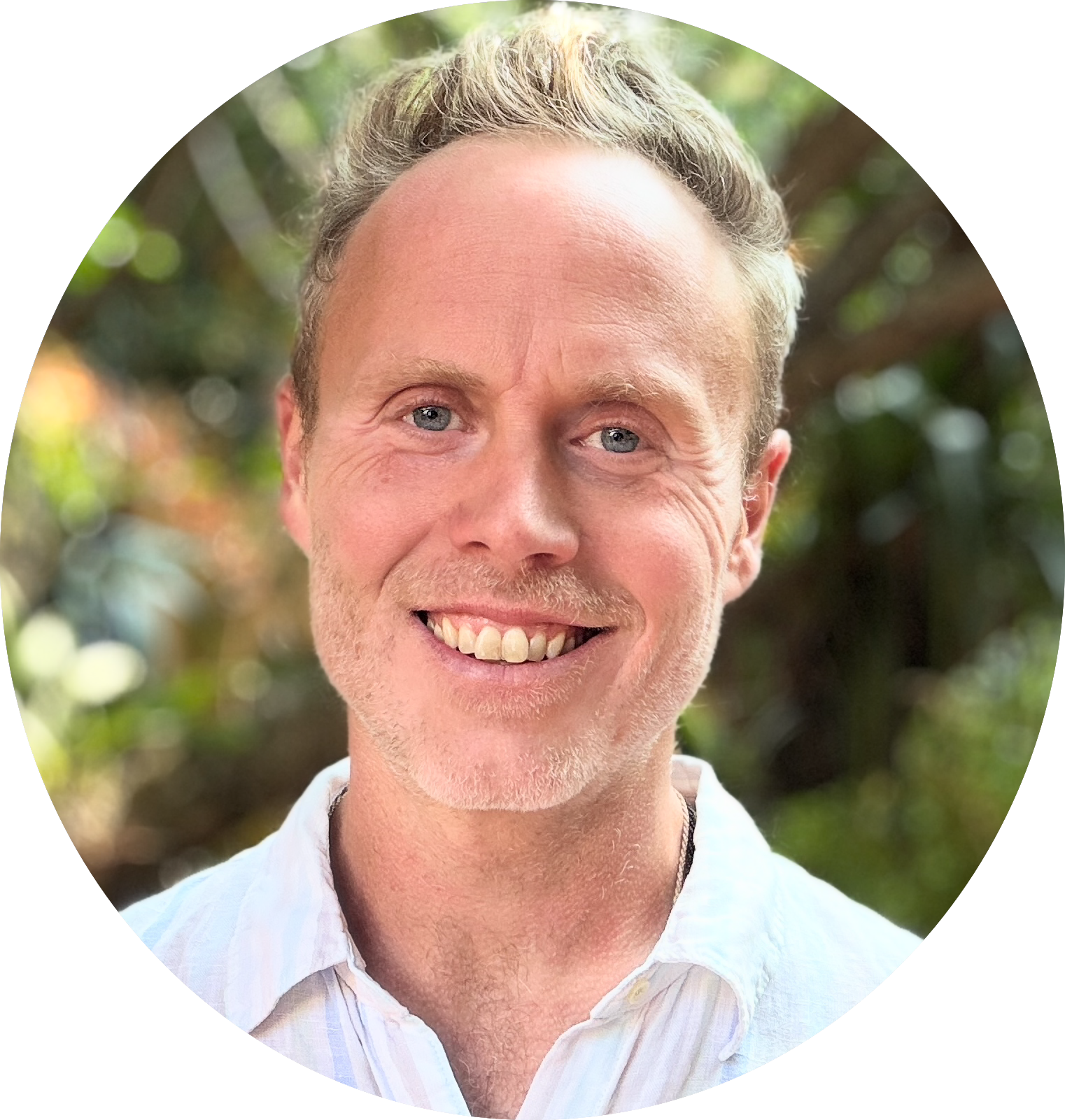
I am a former CEO, acclaimed creative and Soul Midwife. I have a dream that Aliveness becomes as impactful as mindfulness. A practice that helps people stop postponing what matters and build braver lives with fewer regrets.
The regret-vs-judgment reframe is the part I’ll carry — judgment is loud now and gone at the end, regret is quiet now and deafening later, and we keep mistaking volume for importance. We obey the fear that shouts. Meanwhile the one keeping the real score barely whispers until it’s too late to act on it.🫶🏻