


People who have faced their own death repeatedly describe the same two things afterwards. A deep, almost overwhelming gratitude for being alive. And a new freedom to live fully. This newsletter asks a simple question: Why does it take a catastrophe to wake us up, and is there a way to live that way without nearly losing everything first?
ALIVENESS
A philosophy and practice for living fully in the awareness that life is finite.
All subscribers will be emailed the Aliveness practice course, designed for a life of no regrets. Paid subs get access to live events and bespoke AI guides.
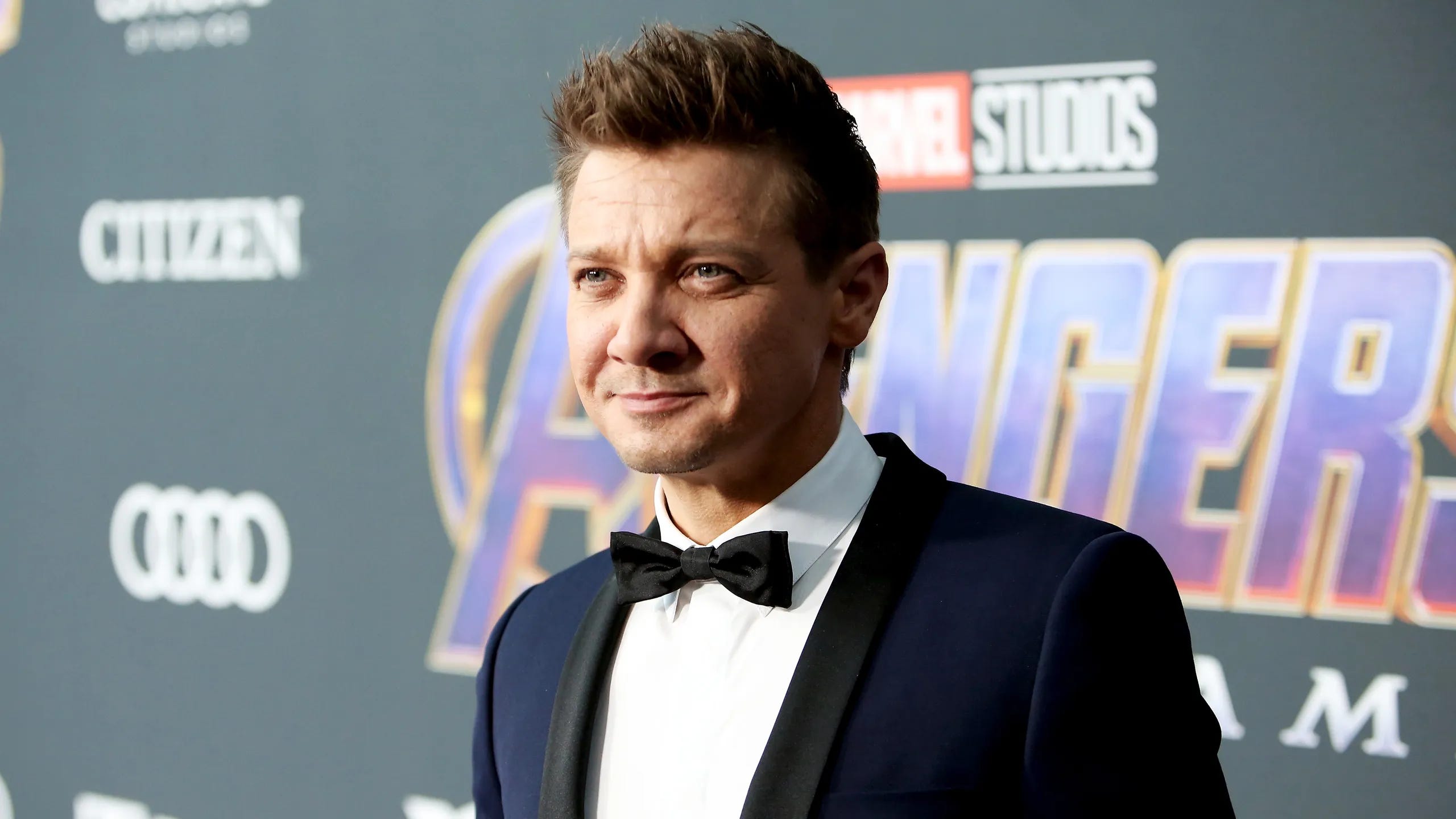
On New Year’s Day 2023, actor Jeremy Renner was crushed beneath a snowplow weighing more than fourteen thousand pounds.
He had stepped out of the machine to help his nephew and it began to slide. He climbed back on to stop it and was pulled under. Thirty broken bones. A collapsed lung. He nearly died on the ice while waiting forty five minutes for help to arrive.
Jeremy talks now about how much of his old life he spent giving value to things that had, in his words, zero value.
Since the accident Jeremy says he invests only in love and in his relationships, because that is the only thing that ultimately matters. He describes himself as more open, more loved, more connected. And he said something in passing that is almost the whole of what I want to say to you today. Talking about the way he now lives, he remarked that you don’t have to be in an accident to do any of this.
He is right. You don’t. But almost everyone waits for a crisis to arrive before they make the change in behaviour.
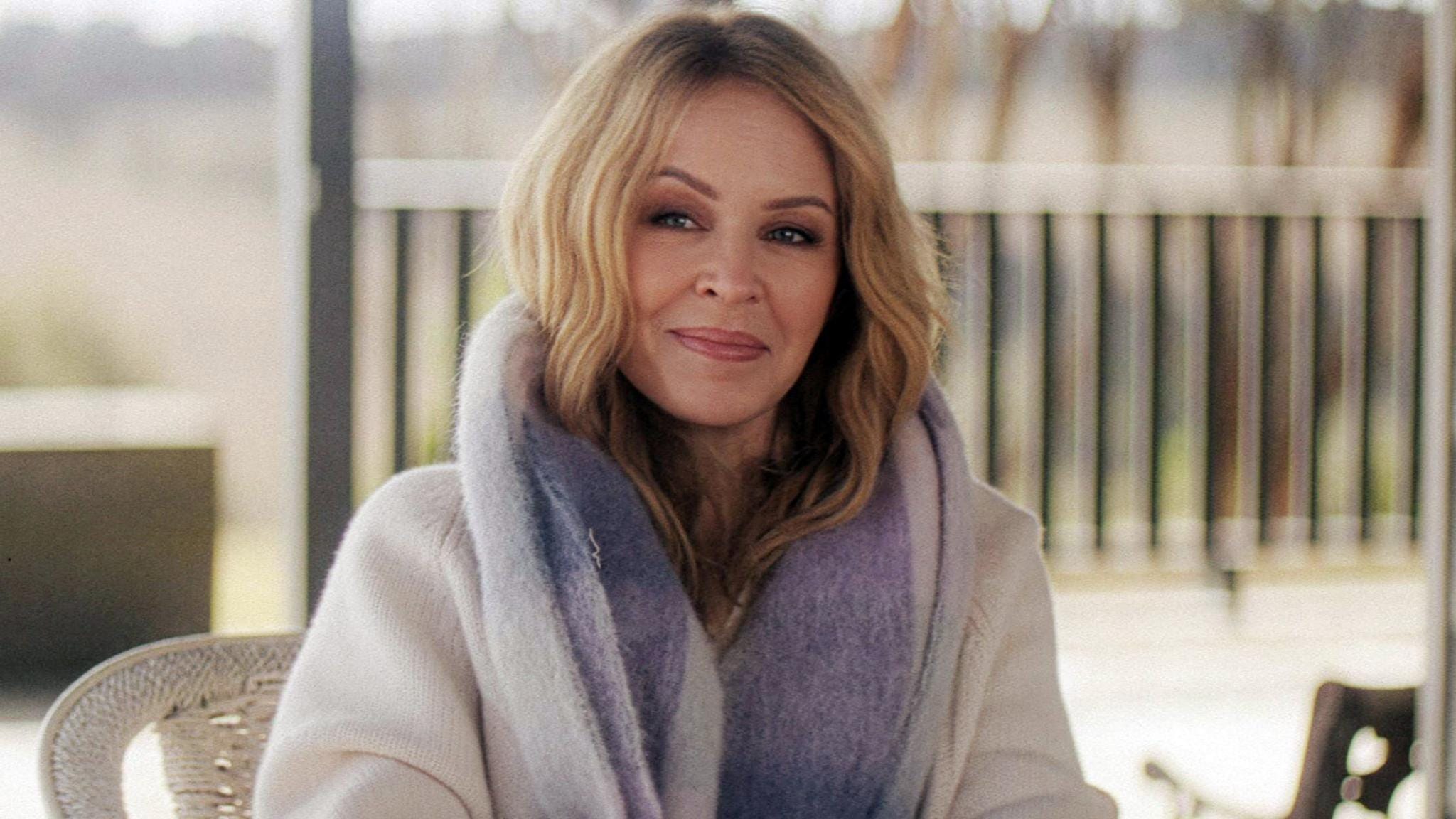
Kylie Minogue was thirty six when she was diagnosed with breast cancer in 2005, at the height of her career, days before she was due to headline Glastonbury. She went through eight months of treatment and came out the other side.
Years later she described what the experience left her with. Not bitterness. Not fear. An acute awareness of her own body, of the love that surrounded her, of her own capability. She said that having had cancer, you are stripped down to near zero, and yet she felt more themself than ever before.


When Jeff Bridges came through non-Hodgkin lymphoma and a near-fatal bout of Covid, he said the very things you are trying to avoid, cancer, death, taught him the most about love and purpose.
Sir Chris Hoy, the Olympic cyclist now living with terminal cancer, speaks not about grand bucket-list moments but about the intense daily gratitude, the mundane fun of life, a coffee, a laugh with a friend, pausing to look out of the window and appreciate the day. He has said plainly that you do not have to be facing a terminal diagnosis to live this way.
Four people. Different worlds. The same report coming back every time, like a message relayed from the edge of something the rest of us cannot yet see.
And this message only reaches the mainstream when it’s a famous person talking. For every name you recognise here, there are millions you never will. Ordinary people, in hospital beds and on roadsides and in doctors’ offices, who will tell you that the hardest day of their life cracked something open and let the light in. That afterwards, the deep gratitude emerged. The petty worries fell away. The people they loved became almost unbearably precious.
Psychologists call it ‘post-traumatic growth’. Studying thousands of cancer patients and survivors, Richard Tedeschi and Lawrence Calhoun (University of North Carolina) found the same pattern again and again: a deeper appreciation of life, closer relationships, and a renewed sense of purpose. The people who come closest to losing life often value it most.
I have spent years studying mortality, and this is one of the most consistent findings in all of it. Proximity to death reliably produces gratitude, presence, and a reordering of what truly matters. It is a law of human nature.
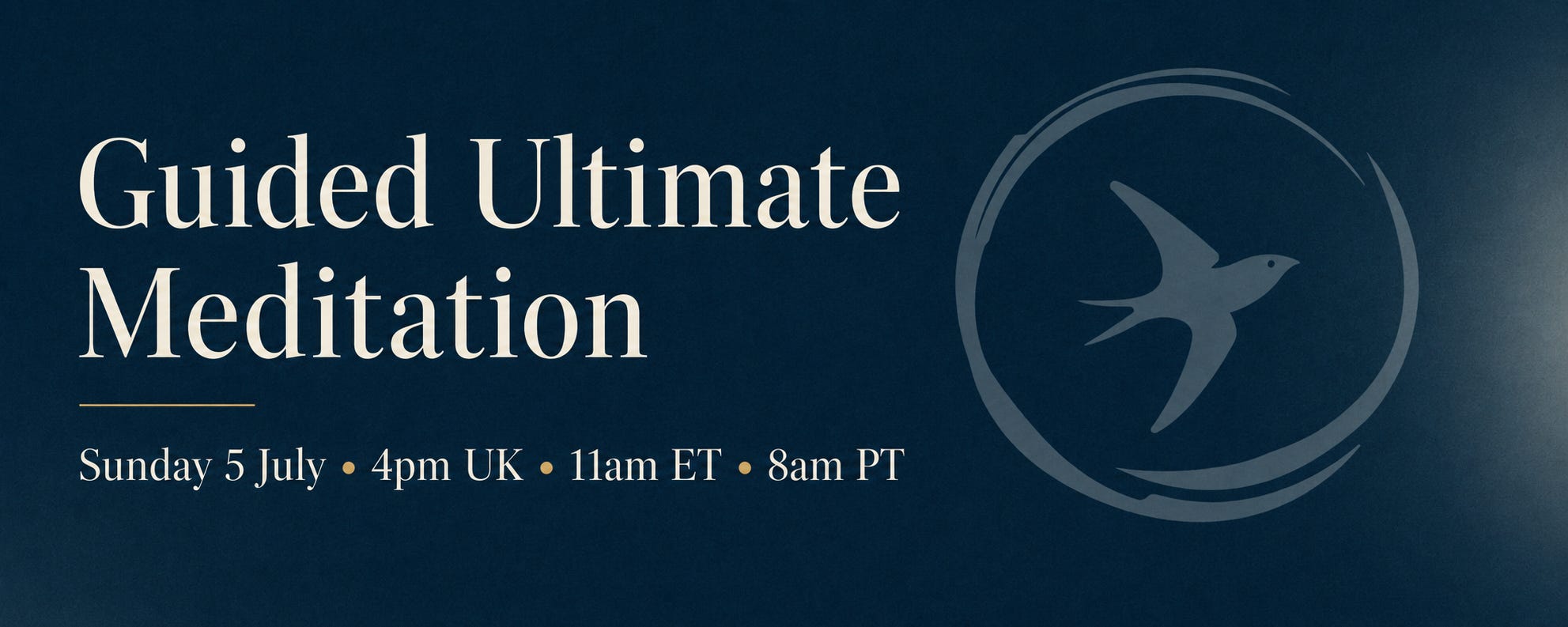
If you want radical clarity on how to live with no regrets join the live meditation I will be hosting July 5th. Available to paid subscribers. Zoom link will be shared nearer the time.
I have had brushes with death too. In Madrid 2002, the night Real Madrid football team won the Champions League, I was walking home after filming the celebrations when someone attacked me from behind on a dark street. The man pinned me against a car and strangled me until I passed out, never saying a word. As I lost consciousness, I was certain I was being murdered (read the full story HERE).
I woke on the street, dizzy, the horror of the attack flooding back. And underneath the shock was something I have never forgotten. A gratitude so total it was almost physical. I was alive. That gratitude stayed with me for weeks, and in truth some of it has never left.
Years later, during a sacred psilocybin ceremony I spent four torturous hours convinced I was dying, and came out the other side with the very same gift of deep gratitude (read the full story HERE).
I have had other brushes with death beyond these episodes, which led me to train as a soul midwife, and all of these experiences made me realise how often we unknowingly take life for granted. This is because we are not aware, on a deep and regular basis, that our time on this earth is limited. We forget that every moment of life is a precious miracle not to be wasted.
So why does it take a catastrophe to wake us up?
“It is not death that a man should fear, but he should fear never beginning to live.” (Marcus Aurelius)
Everyone reading this already knows, intellectually, that they are going to die. It is the most certain fact of your life. And yet that knowledge sits in the head, abstract and weightless, changing almost nothing about how you spend your Tuesday.
What a crisis does is drag that knowledge out of the head and into the body. The diagnosis, the accident, the hands around your throat, these things make mortality real in a way that thinking never can. And the moment you remember your mortality, everything reorders itself. The trivial falls away. The precious becomes obvious. You wake up.
The tragedy is that most people only get this when something terrible happens. They wait, without meaning to, for a catastrophe to do the work for them. And some receive the gift only at the very end, with little time left to live inside it. But it does not have to be that way.
Gratitude is only the first half of what these people closet to death describe.
The second half is what they do with it. Jeremy Renner did not simply feel thankful. He rebuilt his life around the only thing he now believes you take with you, love, and let the rest fall away.
Chris Hoy, living with a terminal diagnosis, has not retreated. He still sets goals, still plans adventures with his family and friends, still reaches for what is ahead, while holding it all more lightly. The gratitude is the feeling. Living fully is what the feeling makes possible.
Facing death does not just make you grateful for life. It frees you to actually live it. To stop postponing. To say the thing that matters, make the change, mend the relationship, chase the soul-aligned work, because the illusion that you have unlimited time has fallen away.
This is the entire reason Aliveness exists. While Mindfulness is a practice that teaches you presence, Aliveness is a practice for living fully. Aliveness moves the knowledge of your mortality from your head into your body, deliberately and gently, a little every day, without needing a snowplow or a diagnosis or a stranger on a dark street to do it for you.
The outcomes: that deep gratitude you know, returns. Your vitality comes racing back. The people you love become precious again. And alongside it comes the other gift, the courage to stop waiting. To choose the life you actually want while you still have the time to live it.
Subscribe now to receive the Aliveness practice course via email.
This week’s question.
If nearly losing your life would make you both grateful for it and brave enough to truly live it, what would change if you let yourself feel that way starting today?
Please share your answer below. It will inspire others.
Thank you for being here. Being alive, right now, is amazing. Make the most of the time you have.
Live happy,
Hoppy

Tools / Essays / Instagram / Manifesto / About
If this article landed with you, please share it with one person who needs it.
I am a former CEO, acclaimed creative, soul midwife and druidic bard. I have a dream that Aliveness becomes as impactful as Mindfulness. A daily practice that builds braver lives, fewer regrets and a more present and generous world.